
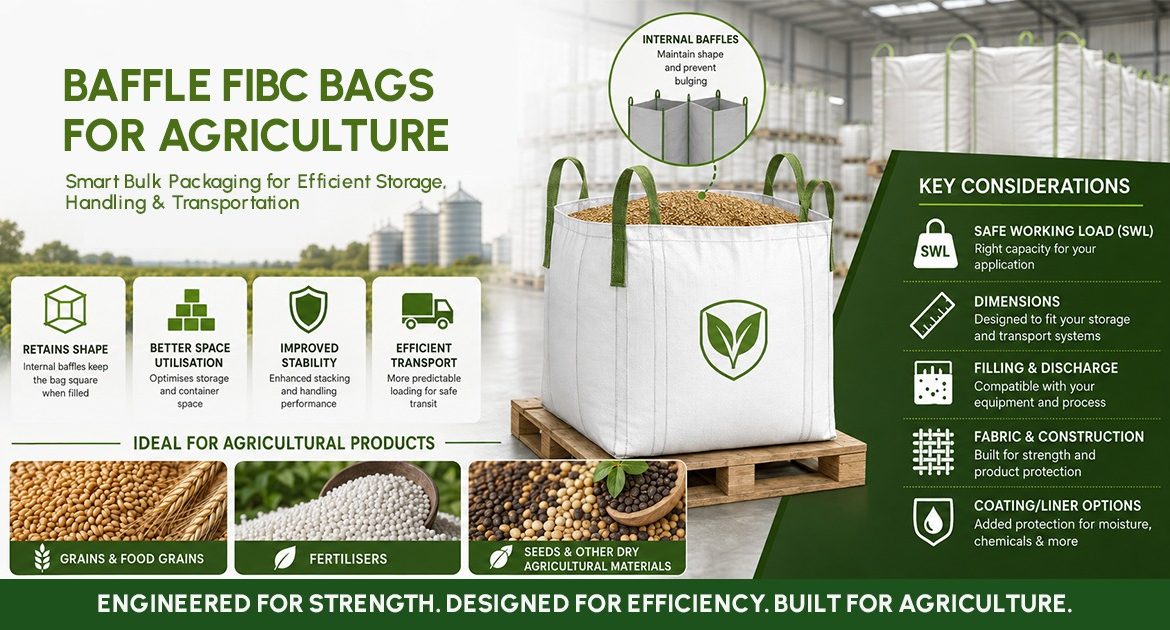
Agricultural businesses often need to store, handle, and transport large quantities of materials efficiently. Grains, fertilisers, seeds, and other dry bulk products can require packaging that provides sufficient strength while also making storage and transportation easier. FIBC bags are widely used for bulk material handling because they can hold substantial…
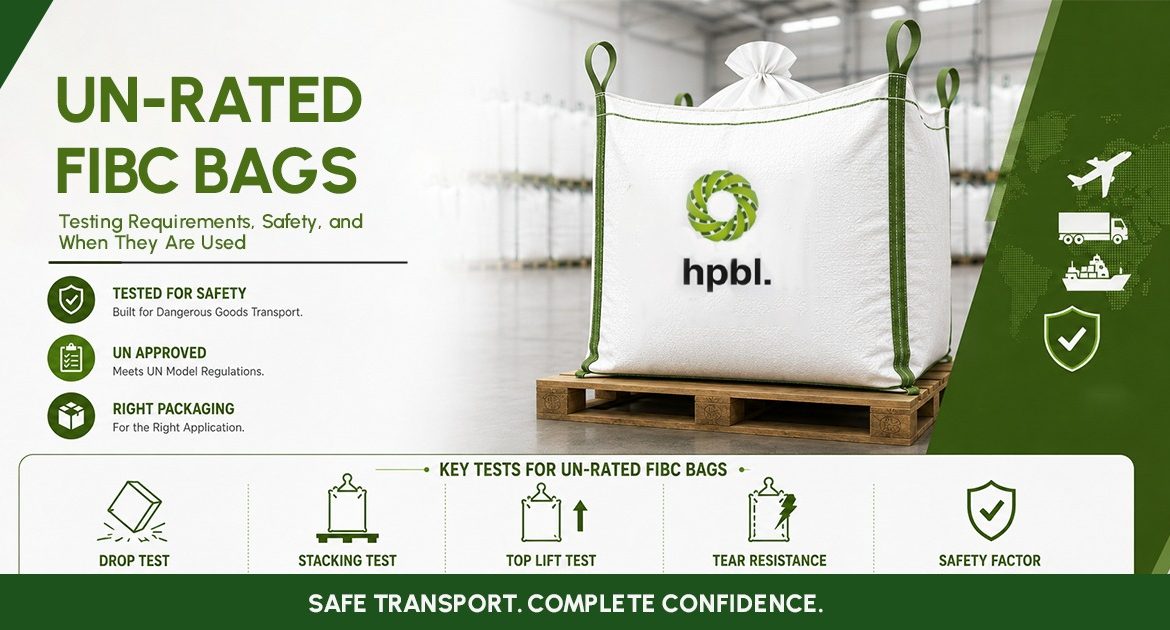
FIBC bulk bags are extensively used for the storage, handling, and transportation of dry bulk material. However, standard bulk bags may not be suitable for the application if the product being transported is considered to be dangerous goods. In such cases, companies may require packaging that complies with specific United…
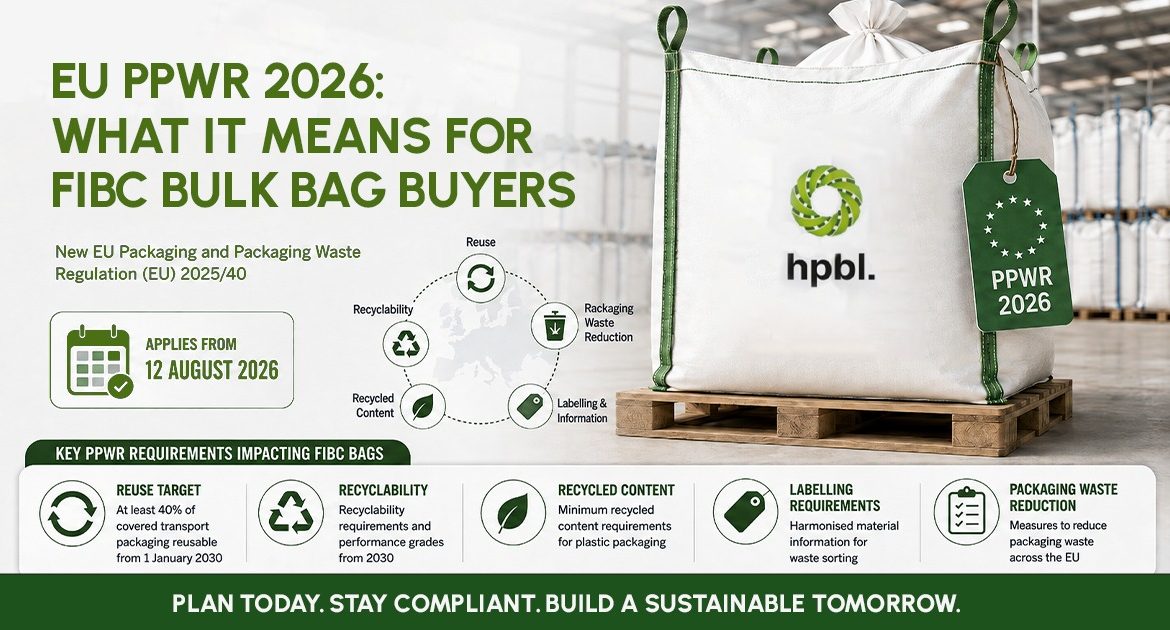
The European Union’s Packaging and Packaging Waste Regulation (PPWR) marks a major change in how packaging is designed, used, reused, recycled, and managed across the European market. For businesses that buy or use FIBC bulk bags, understanding these changes is becoming increasingly important. Regulation (EU) 2025/40 replaces the previous packaging…
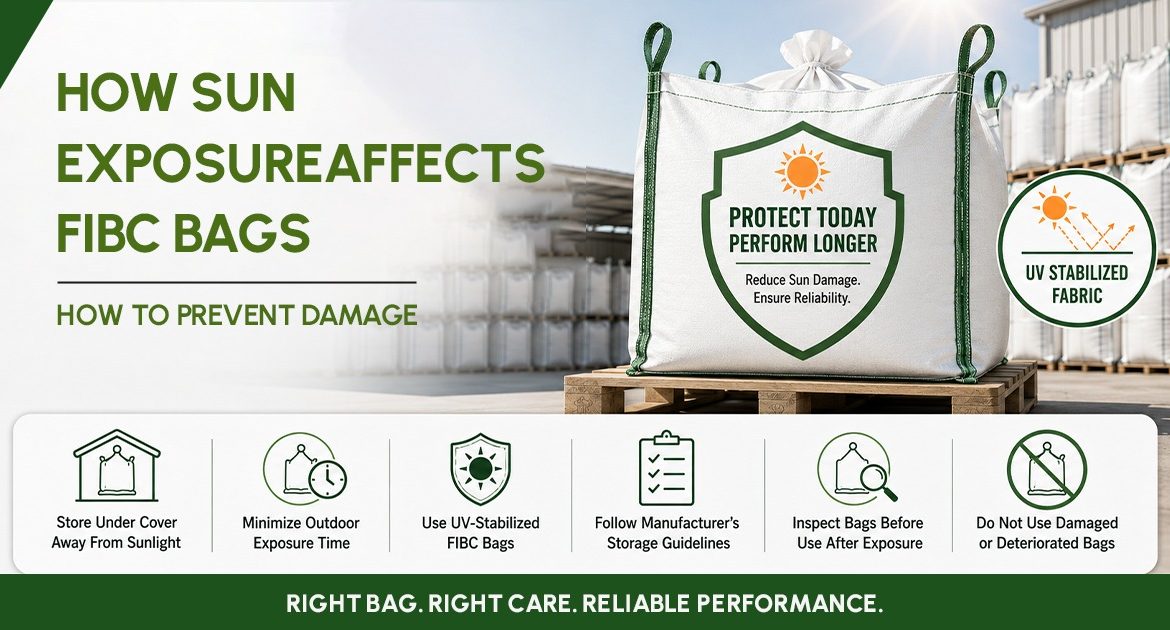
FIBC bags are widely used for the storage, handling, and transportation of bulk materials in many different sectors, including agriculture, chemicals, food processing, construction, and manufacturing. During their use, these bags may be occasionally exposed to sunlight, especially during outdoor storage, transportation, loading, or temporary handling. Although polypropylene is a…
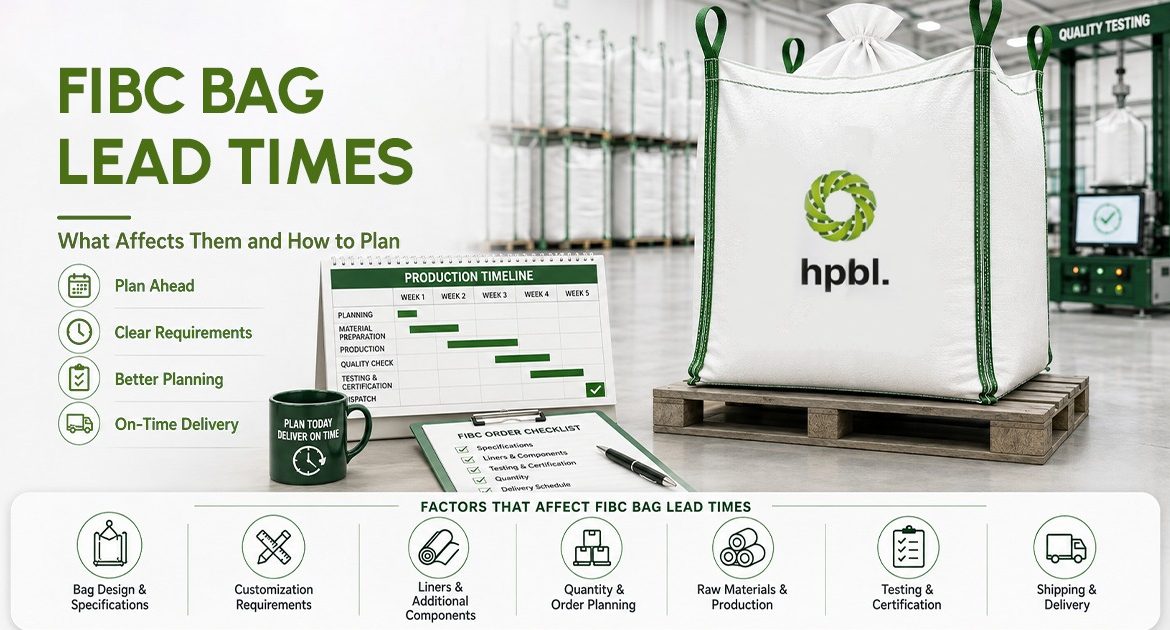
Timely supply of packaging is an important part of the production and logistics plan for companies that regularly use FIBC bags. Delays in the receipt of bulk bags can impact filling schedules, warehouse operations, product dispatch, and overall supply chain efficiency. However, FIBC bag lead times are not standard across…
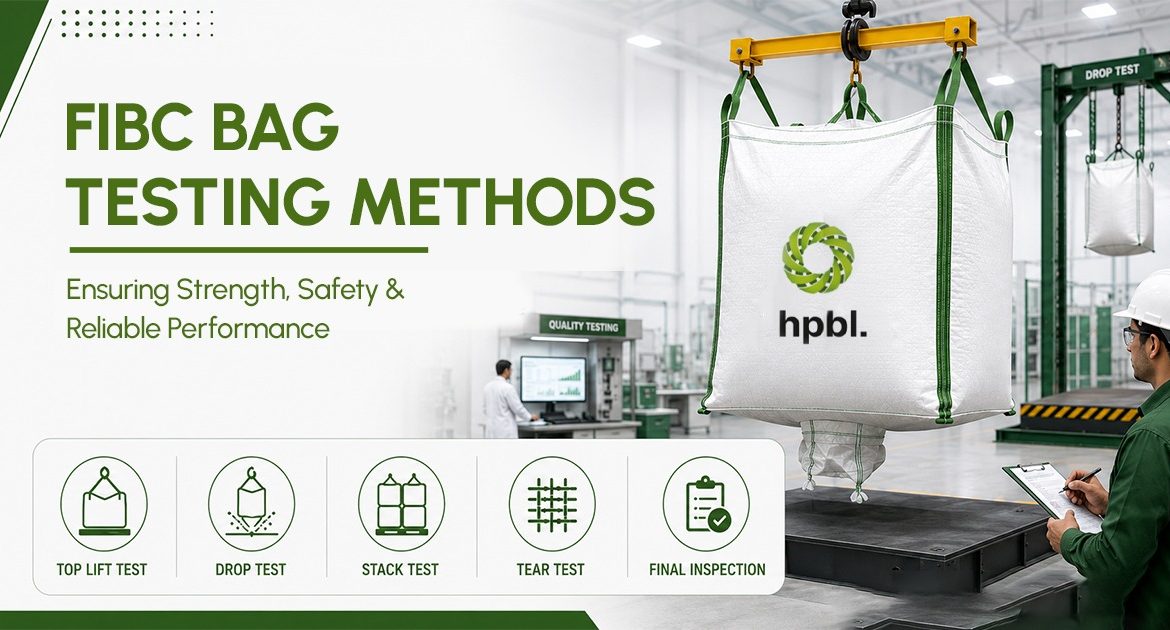
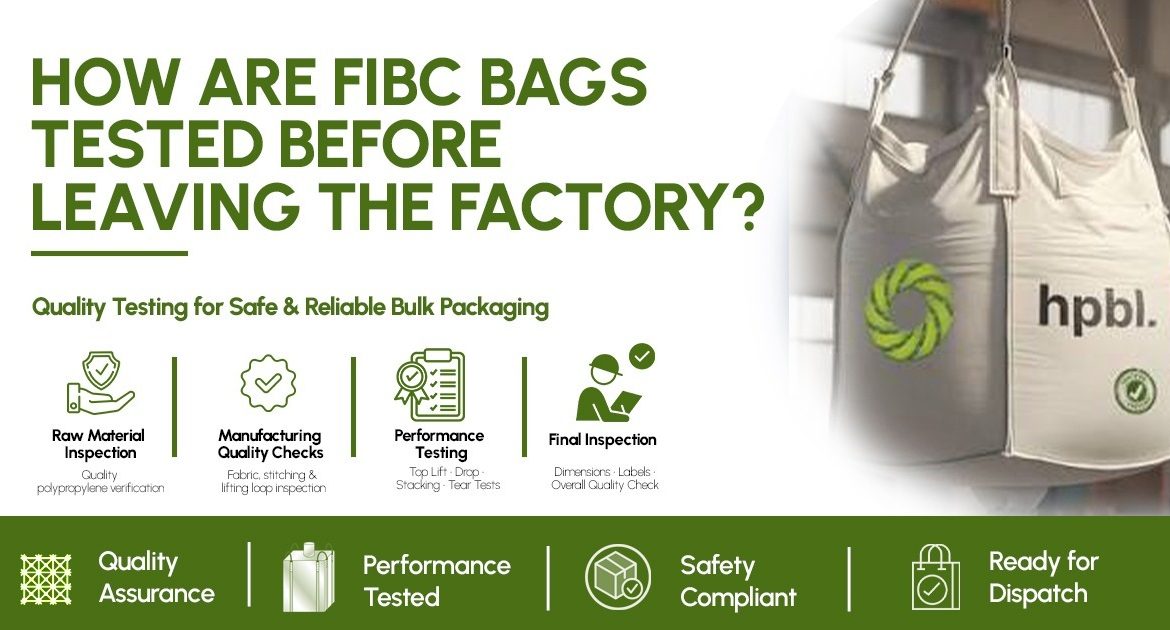
FIBC bags are used in industries such as agriculture, food processing, chemicals, construction, and mining for the safe storage, handling, and transportation of bulk materials. During their lifetime, these bags are subjected to lifting, stacking, loading, unloading, and transportation under a variety of operating conditions. To perform reliably, FIBC bags…
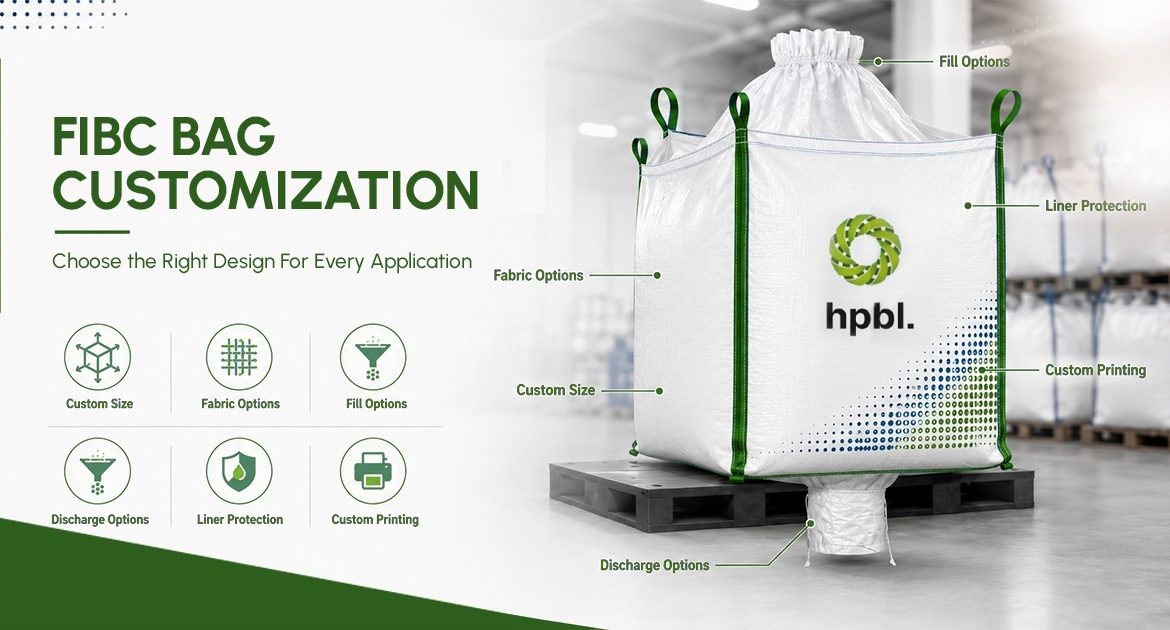
Different industries have very different requirements for bulk packaging. Food ingredients, agricultural products, chemicals, minerals and industrial powders are all different materials and have different requirements for handling, storage and transportation. These differences mean that a standard FIBC bag might not always be the ideal packaging option. One of the…
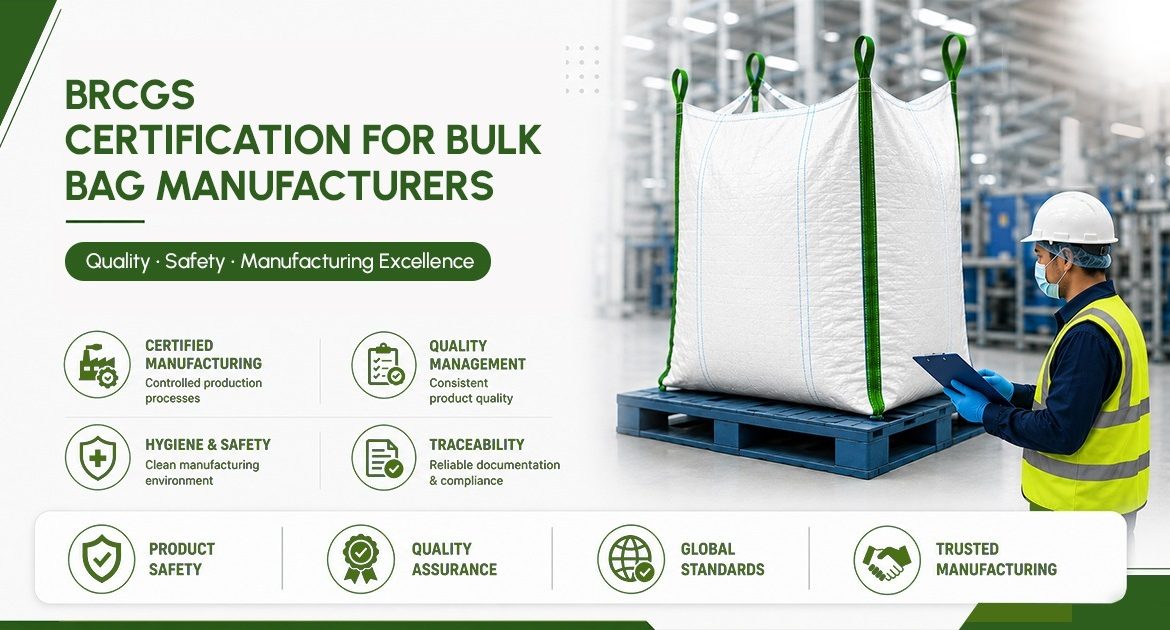
As global supply chains continue to evolve, industrial packaging safety and quality are becoming ever more important. Industries such as food processing, agriculture, chemicals, and pharmaceuticals expect packaging solutions to protect their products and be manufactured under well-controlled and consistent processes. The companies that buy packaging in bulk and choose…
Agriculture, food processing, chemicals, construction, and mining all process bulk materials on a daily basis. Companies that need to transport large quantities of material safely and efficiently use Flexible Intermediate Bulk Containers (FIBC bags) to carry grains, industrial powders, or chemical products. The performance of a FIBC bag is not…
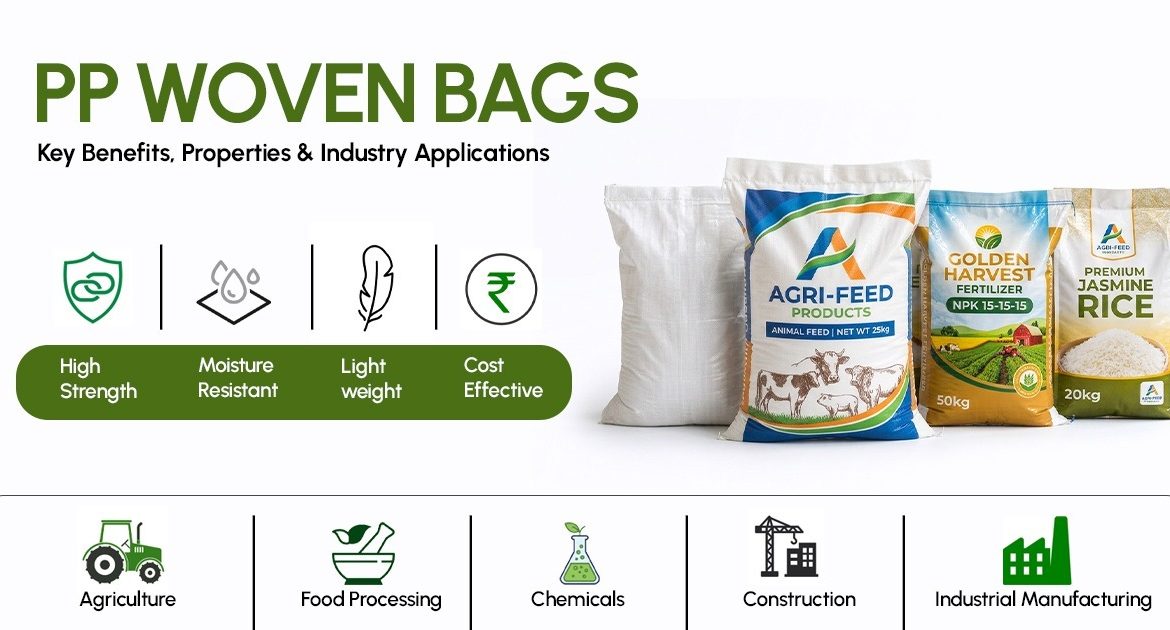
Packaging is essential for product protection, ease of transportation, and improved storage efficiency. In bulk material handling industries, the selection of appropriate packaging solutions can directly affect the quality of the product, operating costs, and supply chain efficiency. PP woven bags are one of the most popular packaging solutions for…