
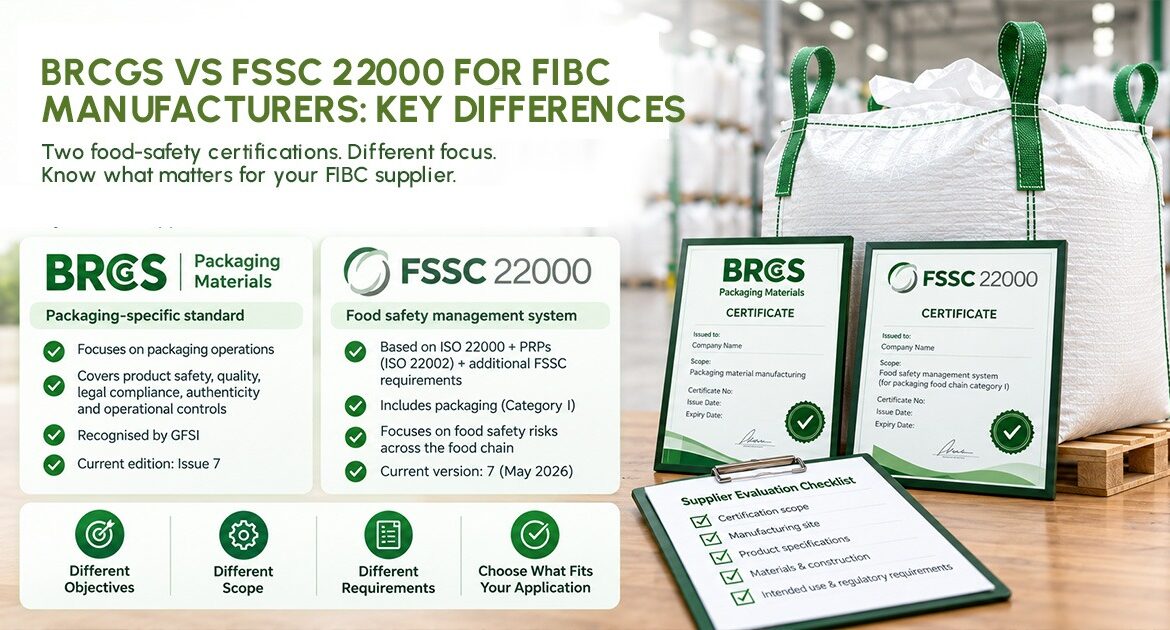
When evaluating an FIBC supplier for food-related applications, buyers may come across certifications such as BRCGS Packaging Materials and FSSC 22000. Both are internationally recognised food-safety-related certification schemes, but they are structured differently and place emphasis on different aspects of packaging operations. For FIBC manufacturers, understanding the difference is important…
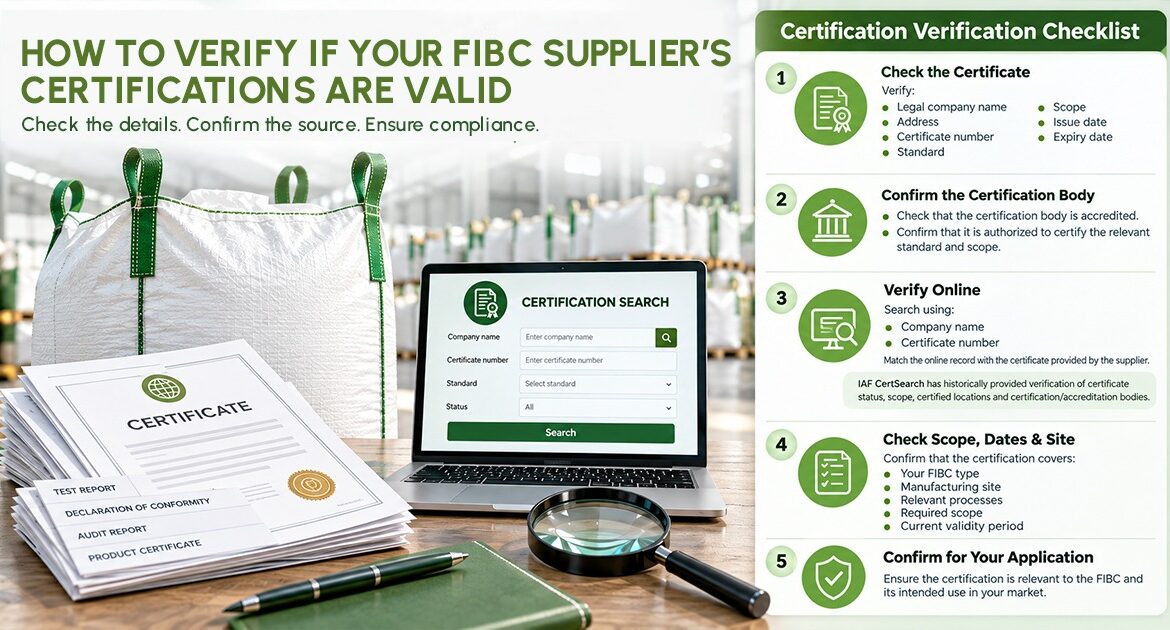
When sourcing Flexible Intermediate Bulk Containers (FIBCs) internationally, certifications and test documents are often part of the supplier qualification process. Buyers may receive ISO certificates, product certifications, laboratory test reports, declarations, or other compliance documents before placing an order. However, receiving a certificate does not automatically mean that it is…
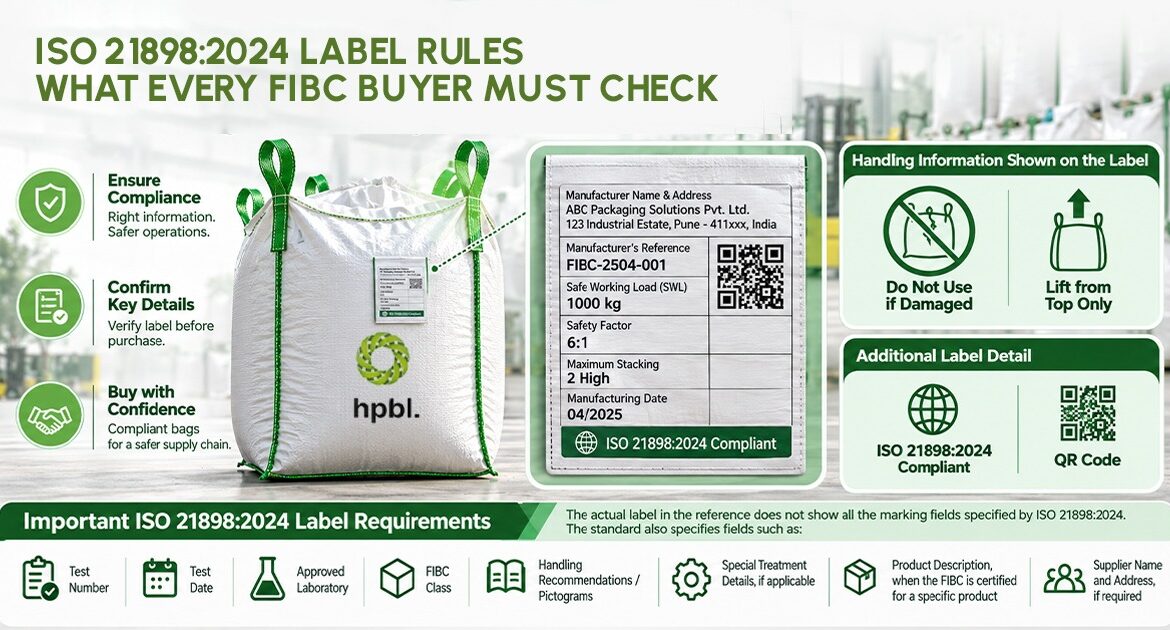
Flexible Intermediate Bulk Containers (FIBCs), commonly known as bulk bags, are used for storing, handling, and transporting many types of dry bulk materials. For buyers, checking the bag’s construction and specifications is important, but the information provided on the FIBC label is also a key part of the purchasing and…
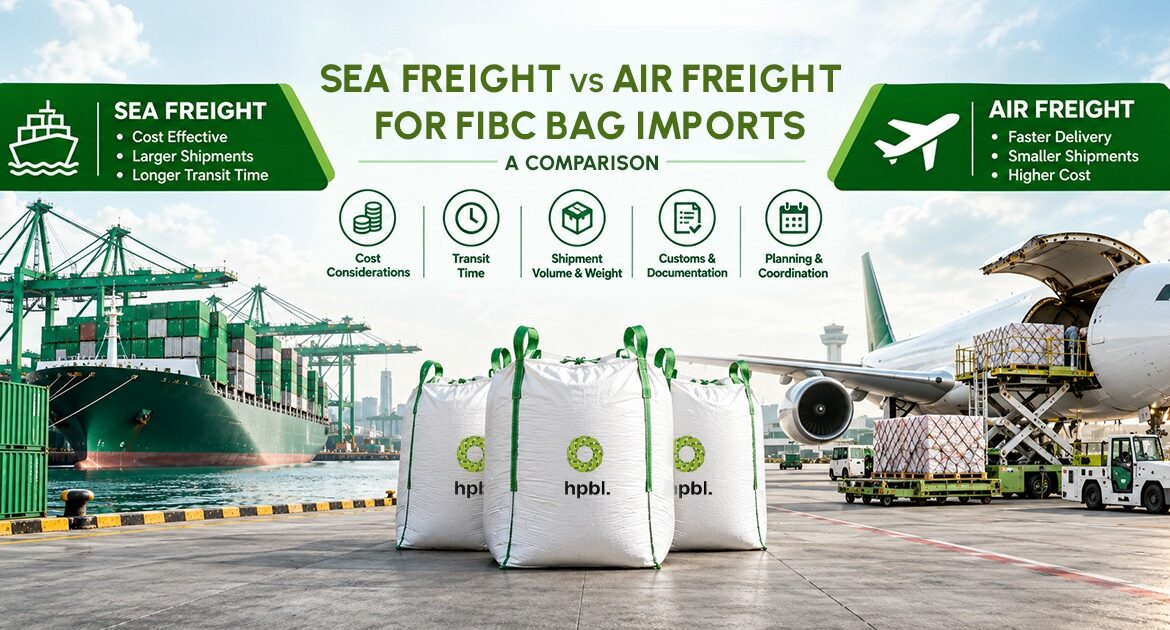
Importing FIBC bags from overseas manufacturers is not just a matter of choosing the right product specifications and placing an order. Transportation planning is another important aspect of the procurement process, especially when companies are looking to control costs, maintain production schedules, and have consistent inventory levels. There are two…
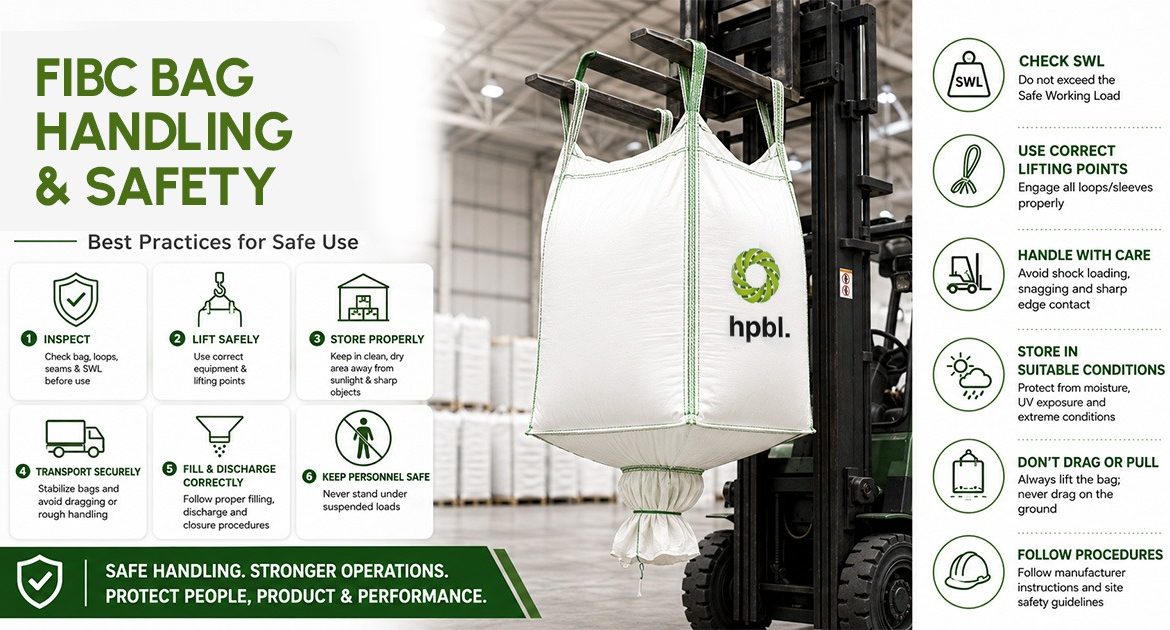
Flexible Intermediate Bulk Containers (FIBCs) are designed to store, transport, and handle substantial quantities of dry, granular, and, in some applications, slurry materials. However, getting the intended performance from an FIBC depends not only on its construction but also on how it is handled throughout its working life. Incorrect lifting,…
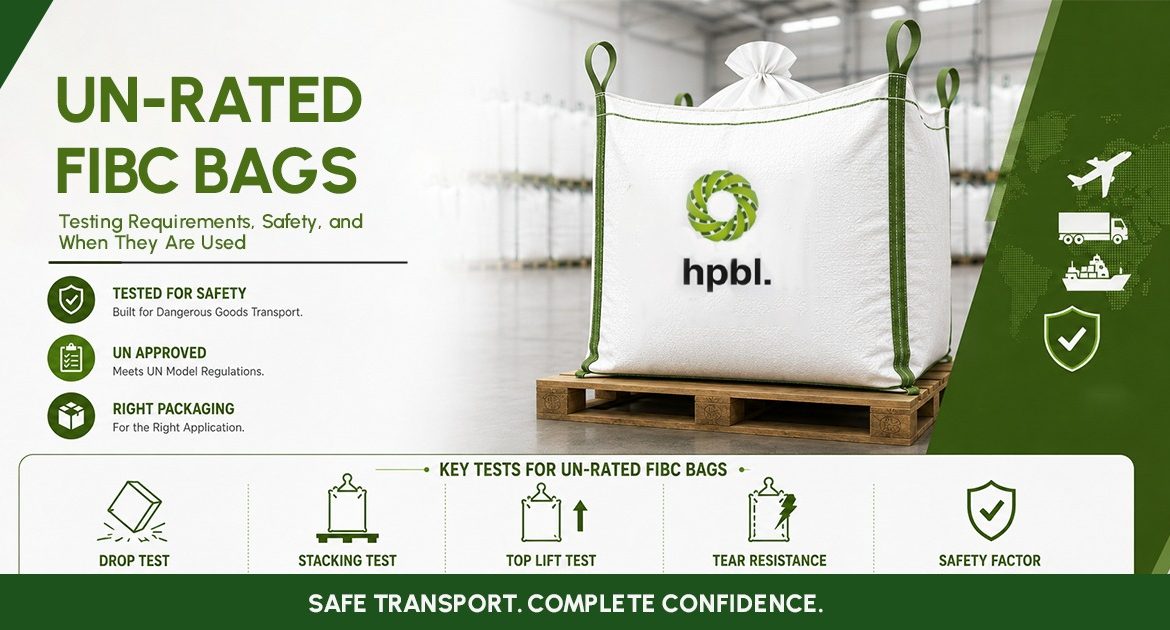
FIBC bulk bags are extensively used for the storage, handling, and transportation of dry bulk material. However, standard bulk bags may not be suitable for the application if the product being transported is considered to be dangerous goods. In such cases, companies may require packaging that complies with specific United…
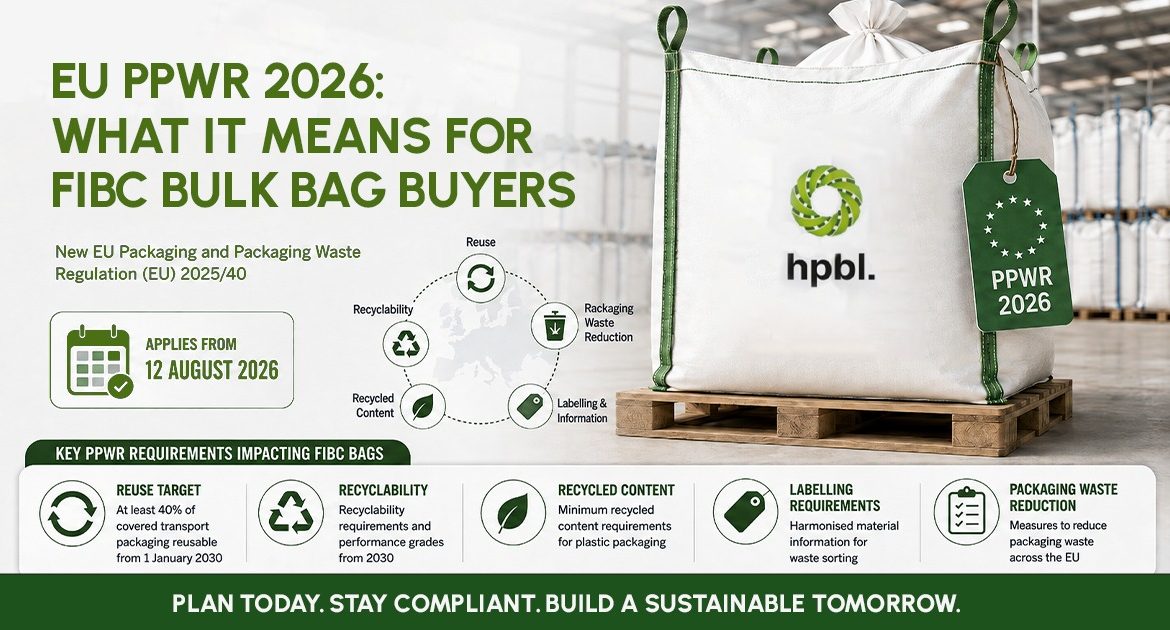
The European Union’s Packaging and Packaging Waste Regulation (PPWR) marks a major change in how packaging is designed, used, reused, recycled, and managed across the European market. For businesses that buy or use FIBC bulk bags, understanding these changes is becoming increasingly important. Regulation (EU) 2025/40 replaces the previous packaging…
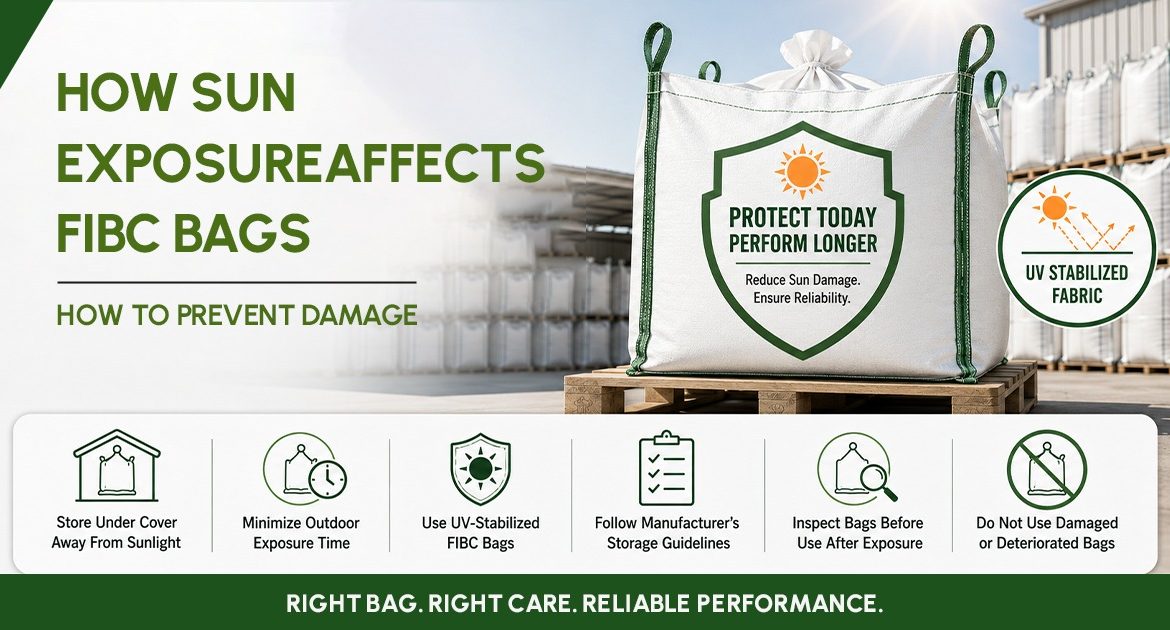
FIBC bags are widely used for the storage, handling, and transportation of bulk materials in many different sectors, including agriculture, chemicals, food processing, construction, and manufacturing. During their use, these bags may be occasionally exposed to sunlight, especially during outdoor storage, transportation, loading, or temporary handling. Although polypropylene is a…
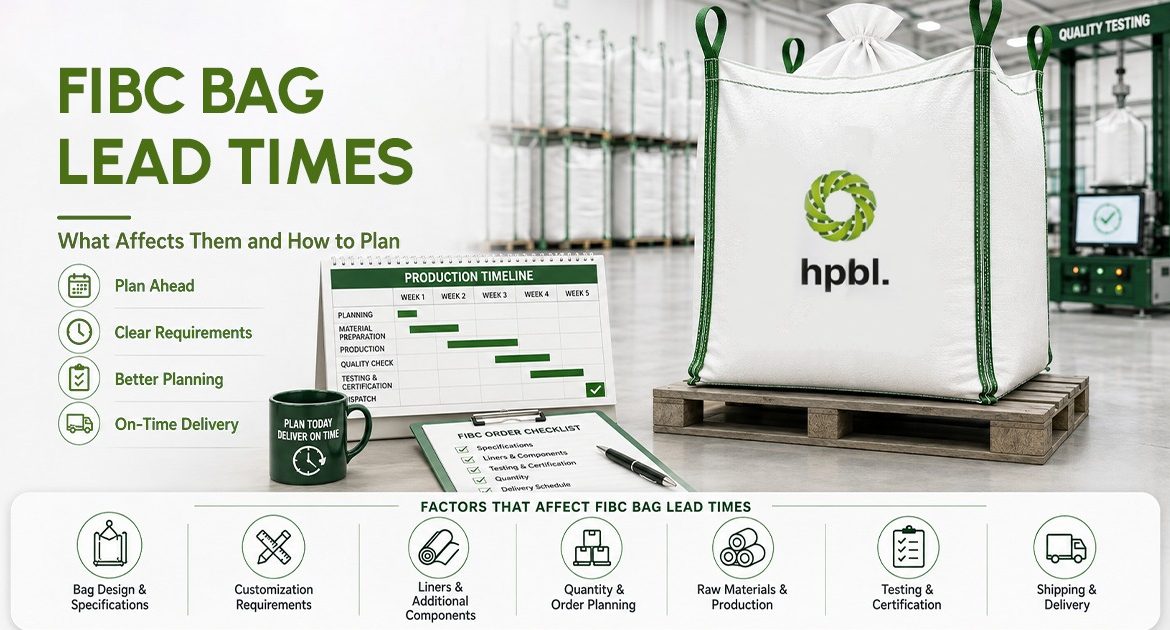
Timely supply of packaging is an important part of the production and logistics plan for companies that regularly use FIBC bags. Delays in the receipt of bulk bags can impact filling schedules, warehouse operations, product dispatch, and overall supply chain efficiency. However, FIBC bag lead times are not standard across…
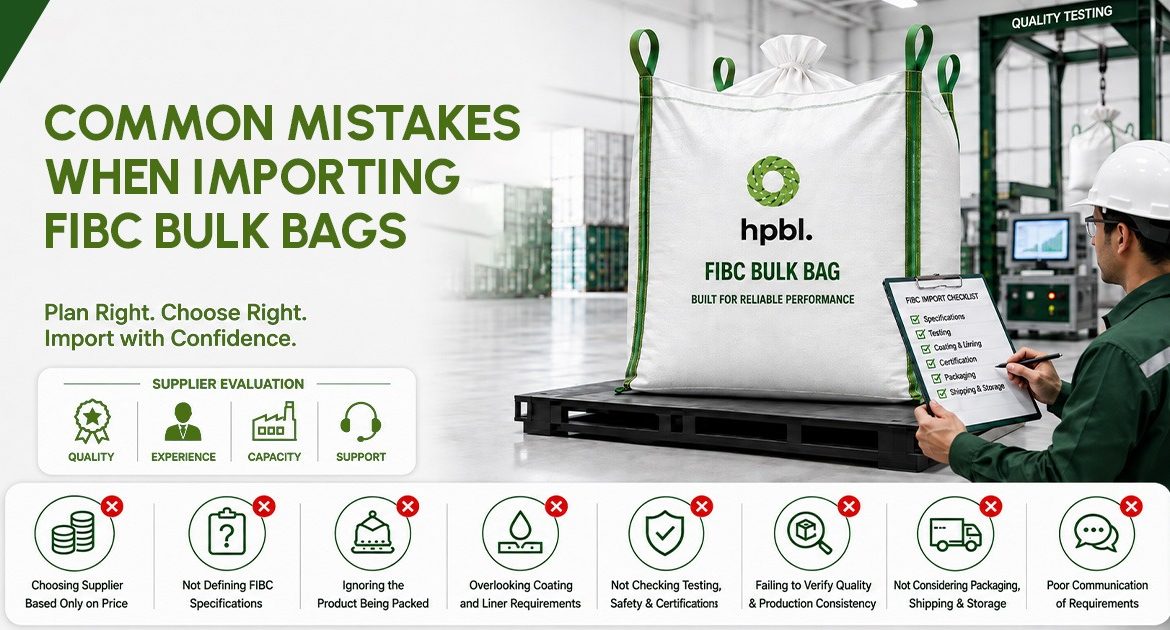
Importing FIBC bulk bags can help businesses source packaging suited to their products, handling systems, and supply chain requirements. However, choosing the right bags involves more than comparing prices between suppliers. Incorrect specifications, unclear requirements, inadequate quality checks, or unsuitable bag construction can create problems after the order has been…