
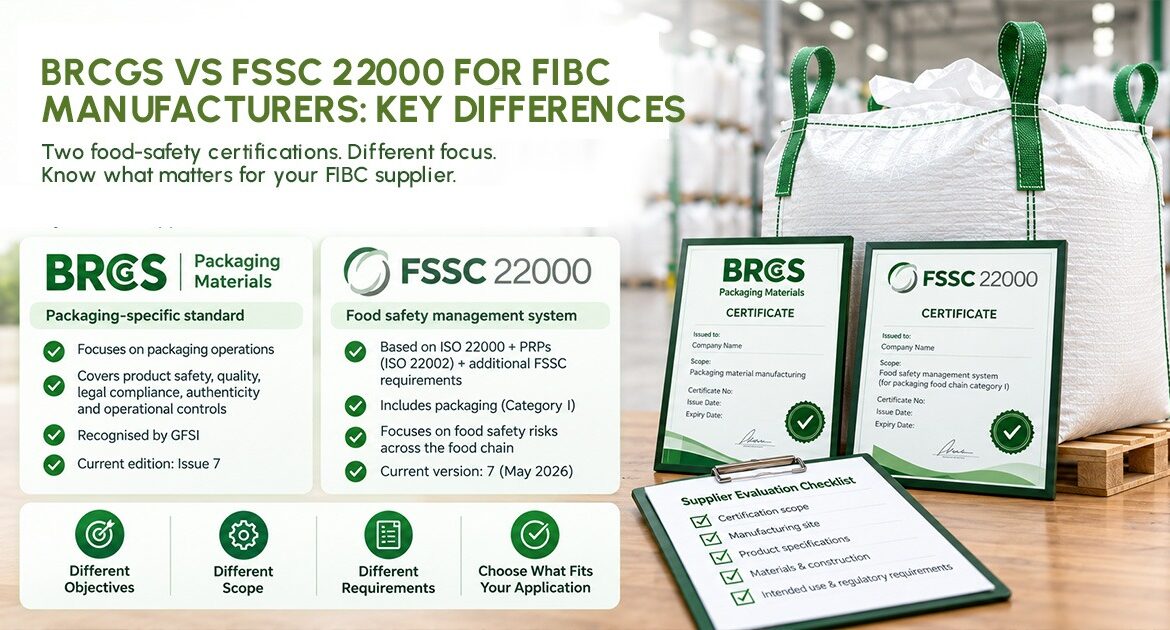
When evaluating an FIBC supplier for food-related applications, buyers may come across certifications such as BRCGS Packaging Materials and FSSC 22000. Both are internationally recognised food-safety-related certification schemes, but they are structured differently and place emphasis on different aspects of packaging operations. For FIBC manufacturers, understanding the difference is important…
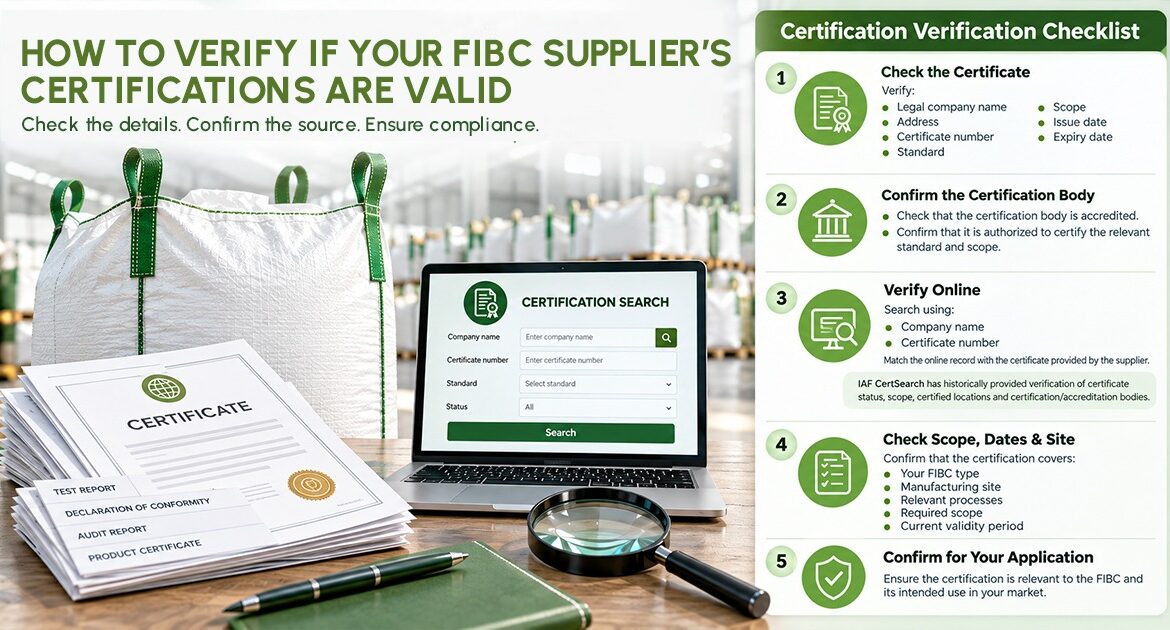
When sourcing Flexible Intermediate Bulk Containers (FIBCs) internationally, certifications and test documents are often part of the supplier qualification process. Buyers may receive ISO certificates, product certifications, laboratory test reports, declarations, or other compliance documents before placing an order. However, receiving a certificate does not automatically mean that it is…
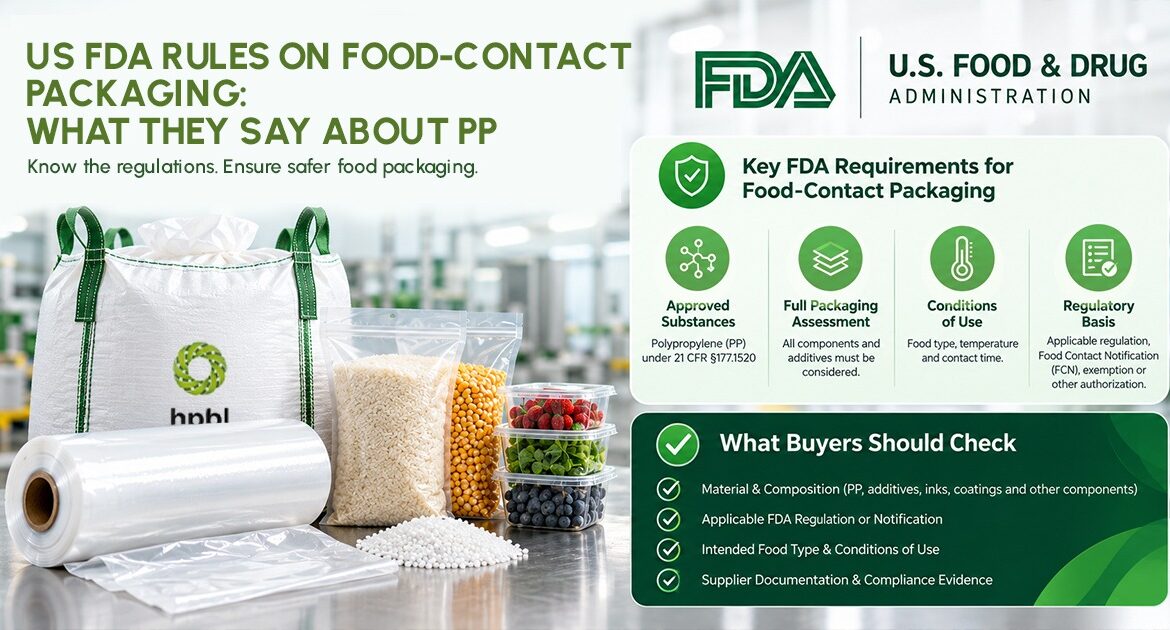
Polypropylene (PP) is widely used in packaging because of its strength, durability, chemical resistance, and versatility. It is used in woven bags, films, containers, closures, and other packaging components. For businesses supplying packaging for the US food market, however, simply identifying a package as “PP” is not enough to establish…
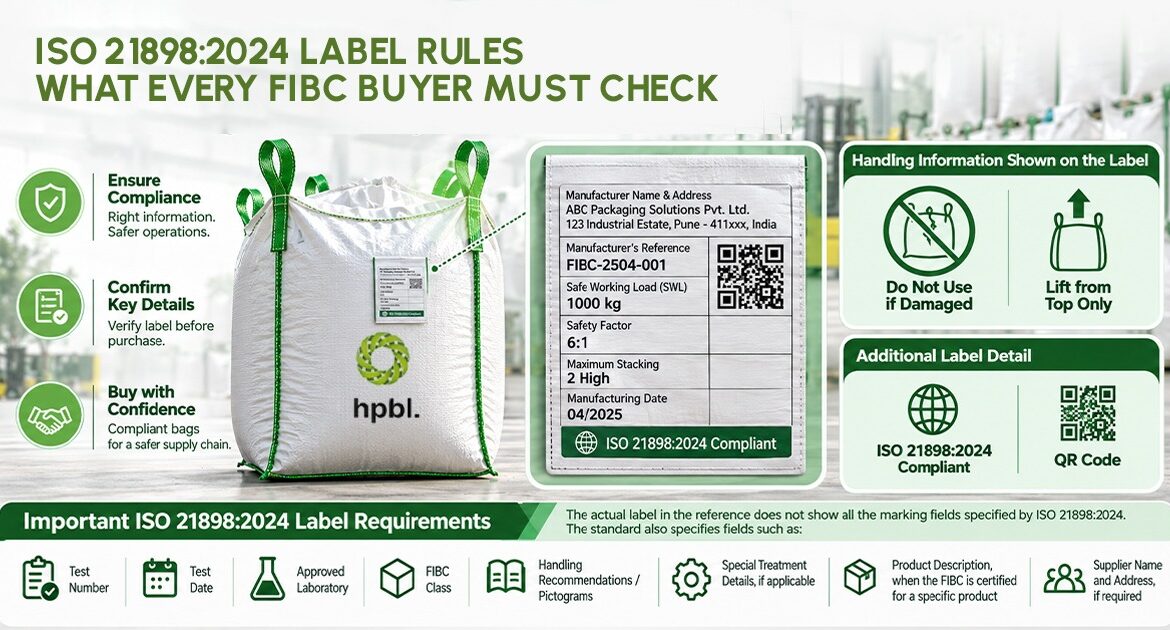
Flexible Intermediate Bulk Containers (FIBCs), commonly known as bulk bags, are used for storing, handling, and transporting many types of dry bulk materials. For buyers, checking the bag’s construction and specifications is important, but the information provided on the FIBC label is also a key part of the purchasing and…
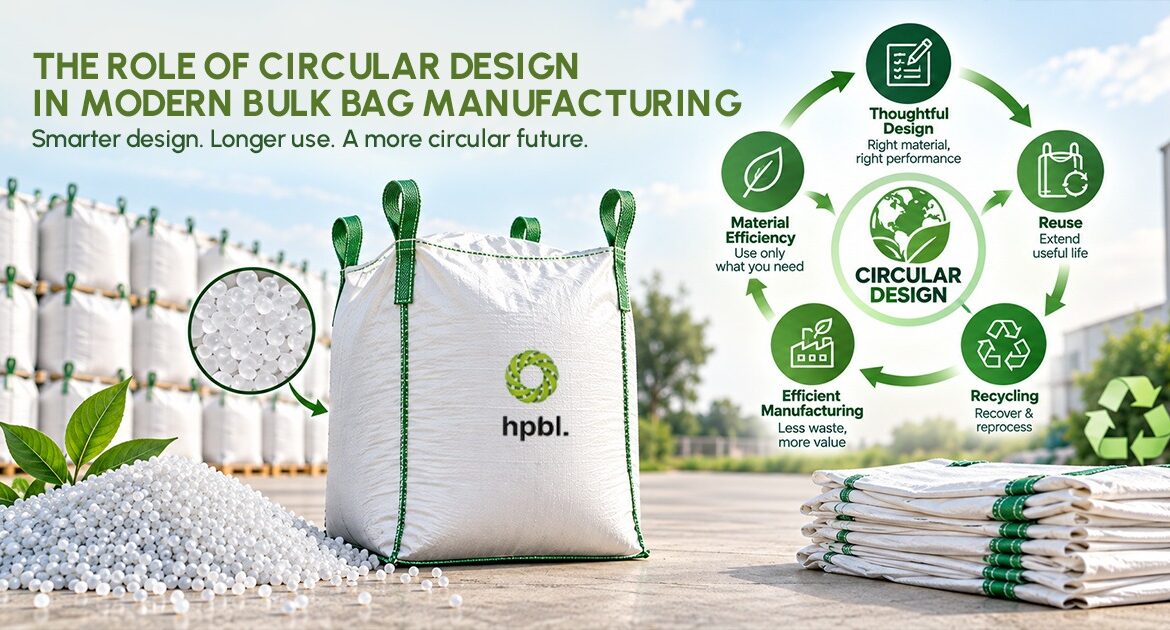
Flexible Intermediate Bulk Containers (FIBCs), commonly known as bulk bags, are widely used to store, handle, and transport dry bulk materials across industries. As packaging requirements evolve, manufacturers and buyers are increasingly looking beyond a bag’s immediate performance and considering what happens throughout its lifecycle. This is where circular design…
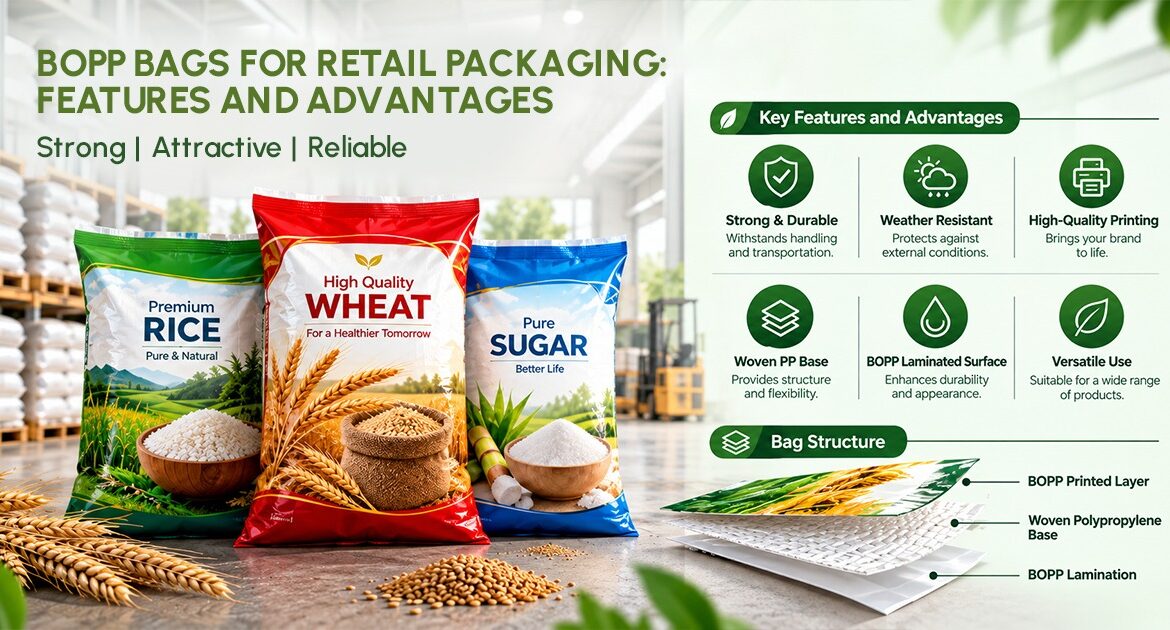
Retail packaging is a key factor in protecting products, ease of handling, and presenting products to customers. For companies that sell agricultural products, food grains, sugar, and other packaged goods, the choice of a suitable bag is not just a matter of choosing a material. The final decision can be…
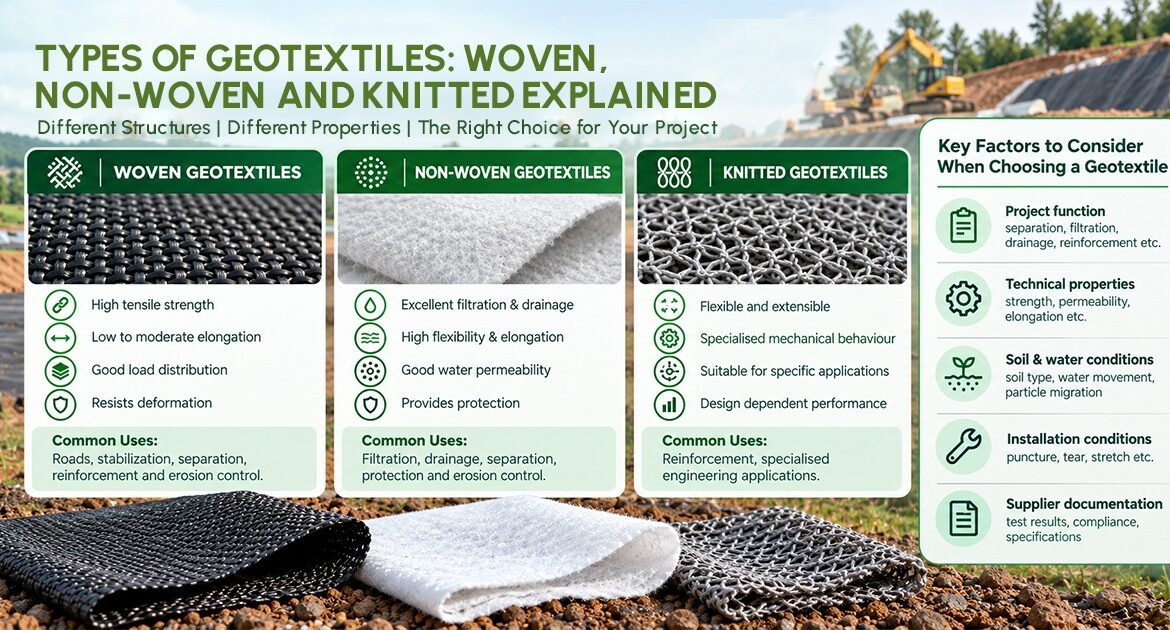
Geotextiles play a major role in civil engineering, construction of infrastructure, and soil management. These permeable textile materials are used in applications like soil separation, filtration, drainage, reinforcement, and erosion control. However, not all geotextiles are constructed the same or perform the same. Geotextiles come in three basic types: woven,…
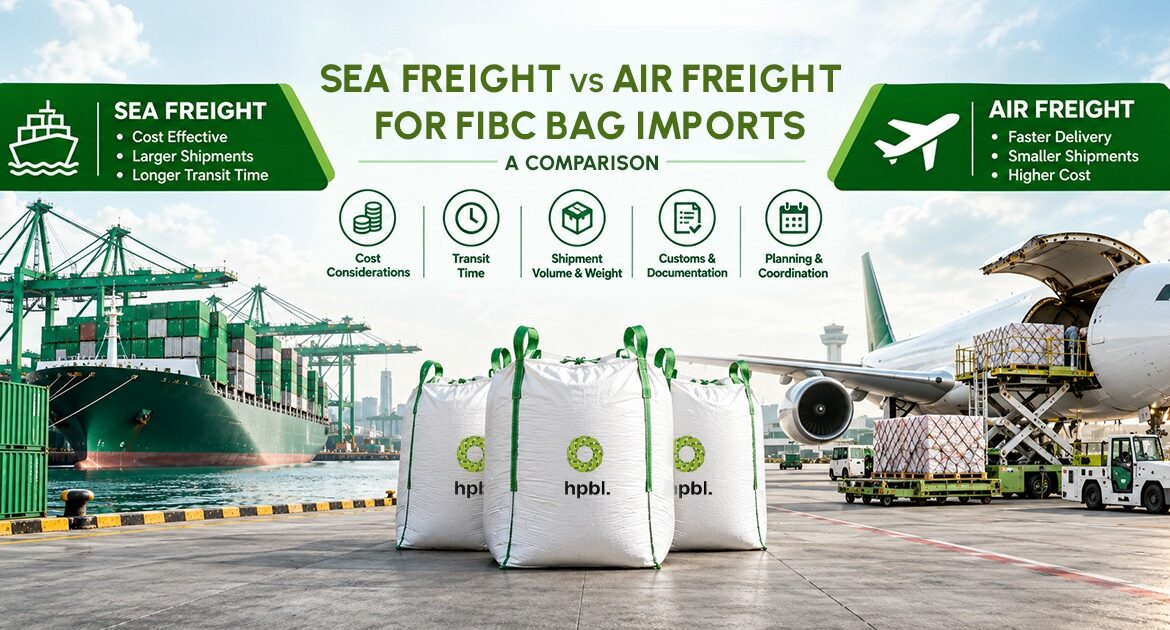
Importing FIBC bags from overseas manufacturers is not just a matter of choosing the right product specifications and placing an order. Transportation planning is another important aspect of the procurement process, especially when companies are looking to control costs, maintain production schedules, and have consistent inventory levels. There are two…
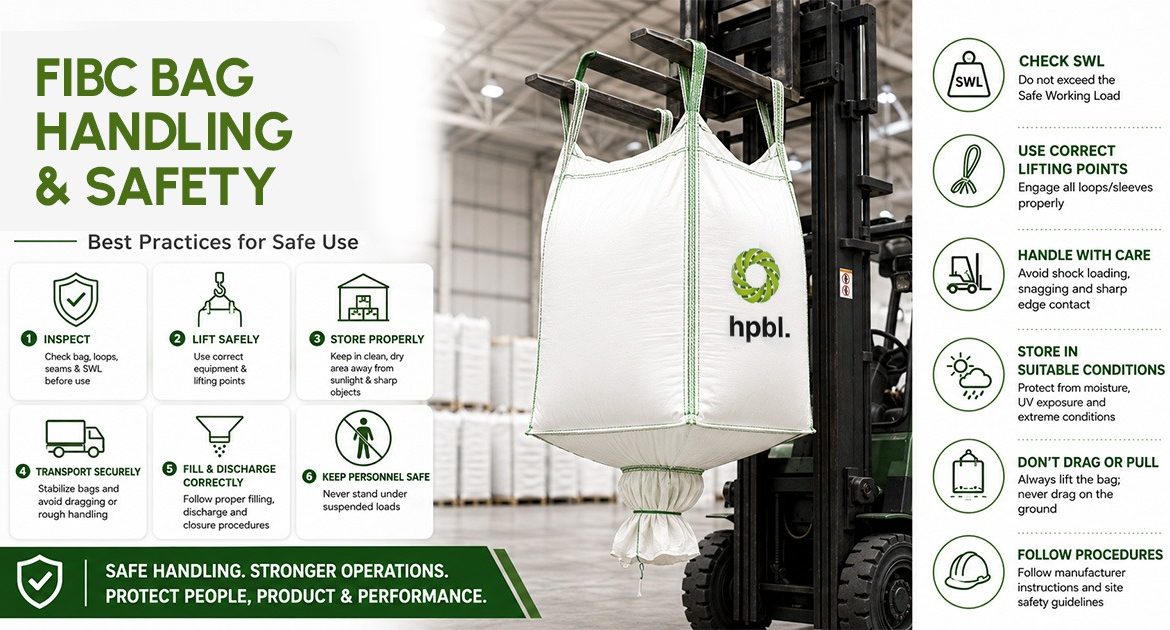
Flexible Intermediate Bulk Containers (FIBCs) are designed to store, transport, and handle substantial quantities of dry, granular, and, in some applications, slurry materials. However, getting the intended performance from an FIBC depends not only on its construction but also on how it is handled throughout its working life. Incorrect lifting,…
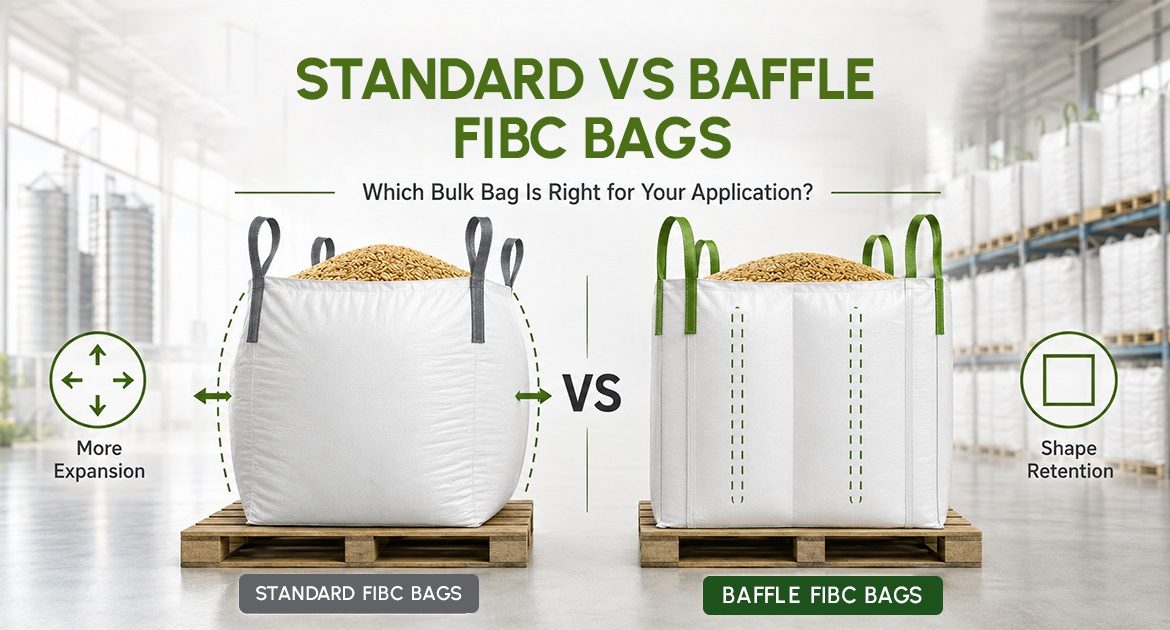
Flexible Intermediate Bulk Containers (FIBCs), also known as bulk bags or jumbo bags, are widely used for storing, handling, and transporting dry granular products and, depending on the design, slurry materials. FIBCs are available in different constructions to accommodate varying material, handling, storage, and transportation requirements. Standard and baffle FIBCs…