


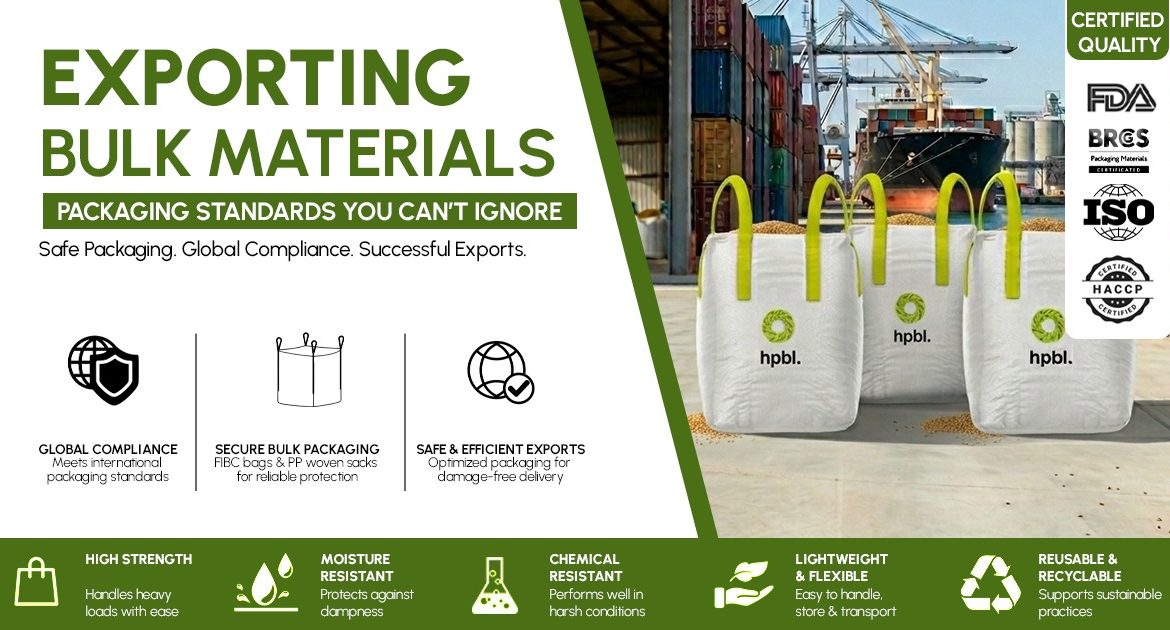
Exporting bulk materials is more than just moving goods from one country to another. It means making sure that the goods get to their destination on time and in good shape, without any problems with compliance. This is even more important when selling to places like the US and UK, where people expect high standards of safety and quality.
Packaging does more than just hold things in international trade. It is very important to keep materials safe, follow the rules, and make logistics work better. The packaging you choose can have a direct impact on how well your shipment does, whether you’re sending food, chemicals, or farm goods.
Why Packaging Standards Matter in Global Bulk Exports
There are several steps to bulk shipments, such as loading, storing, transporting, and unloading. Packaging has to be able to handle pressure, movement, and exposure to the environment during this process.
People in the US and UK markets pay close attention to packaging. Even small problems can cause shipments to be late, incur penalties, or be turned down. This is why exporters should think about packaging as a key part of their strategy, not something they do at the last minute.
People often use FIBC bags and PP woven sacks because they are strong and flexible. Extra parts, like liners and protective materials, help keep the product safe during long trips.
Companies that spend money on good packaging are more likely to keep the quality of their products and earn the trust of buyers from other countries.
Key International Packaging Regulations for Bulk Materials
Depending on the type of material being shipped, export packaging must meet certain rules set by the government. These rules are meant to make sure that everyone in the supply chain follows the same safety, hygiene, and handling standards.
Packaging for hazardous materials must be UN-certified and tested for safety and strength. Food and agricultural products must meet food-grade standards, such as FDA standards in the US and BRC or EU guidelines for UK markets.
In addition to following the rules, keeping records and being able to trace things are also very important. Buyers want clear records that show where the packaging came from and how it was handled.
Labeling is also very important for exporting. Packages should clearly show:
- Product identification
- Handling and safety instructions
- Batch or lot details for traceability
Correct labeling helps keep things from getting mixed up and makes it easier to get through customs and other checkpoints.
Choosing the Right Bulk Packaging Format for Export
The type of product, the amount, and how it needs to be handled all affect which packaging format is best. At this point, making the right choice will help you avoid problems later in the supply chain.
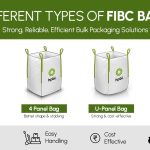
People use FIBC bags a lot for shipping large amounts of goods because they are strong, flexible, and easy to handle. Businesses can choose from different designs, like U-panel, circular, and baffle bags, depending on what they need. You can also add things like filling spouts, discharge options, and lifting loops to these bags.
People often choose PP woven bags for smaller amounts. They are light, strong, and good for businesses like agriculture and food distribution.
Choosing the right format makes the material safer and easier to move and store.
The Role of Liners, Fabric, and Material Strength in Export Safety
When bulk materials are moved, they are exposed to different weather conditions. If the right protection isn’t in place, moisture, changes in temperature, and the risk of contamination can all lower the quality of a product.
Liners add an extra layer of safety to bulk bags. They help keep moisture out, lower the risk of contamination, and keep fine materials from leaking. The kind of liner you use depends on what you’re putting it in and how much protection you need.
Woven polypropylene fabric gives the packaging its strength on the outside. The quality of the bag affects how well it holds up under load and when it is being handled. Things like the density of the fabric, the quality of the weaving, and how well it can stand up to UV rays all affect how long it will last.
Container Optimization and Logistics Efficiency
Using space better in shipping containers is easier when the packaging is efficient. This has a direct effect on the cost of transportation and how well operations run.
FIBC bags are easier to stack and use space better, which means you can move more stuff in fewer shipments. This lowers the total cost of shipping and makes things run more smoothly.
How you load things also matters. Some shipments need to be put on pallets, while others are better off being loaded directly into containers. The choice depends on how the package needs to be handled and what the destination is like.
Good packaging keeps things from moving around inside the container, which lowers the risk of damage. Supporting parts like protective covers and correct labeling also make it easier to handle and identify things all the way through the supply chain.
Common Export Packaging Mistakes to Avoid
Mistakes in packaging can lead to delays, product damage, or compliance issues. Some of the most common problems include:
- Using packaging that does not meet the required certifications
- Choosing the wrong type of bag for the material
- Ignoring environmental factors like moisture and temperature
- Not using liners when additional protection is needed
- Missing or incorrect labeling on shipments
Avoiding these mistakes helps ensure smoother export operations and reduces the chances of unexpected problems.
Choosing a Reliable Bulk Packaging Partner for Global Trade
A reliable packaging partner can simplify the export process and improve consistency across shipments. Experience and product knowledge play an important role in meeting international requirements.
A good supplier offers quality assurance, customization options, and a wide range of packaging solutions. This may include bulk bags, liners, woven sacks, technical textiles, and labeling support.
Working with a single supplier who can handle multiple packaging needs reduces complexity and helps maintain consistent quality standards across all exports.
Final Thoughts
Exporting bulk materials to markets like the US and UK requires careful planning, and packaging is a key part of that process. It influences product safety, compliance, and overall logistics performance.
By selecting the right packaging solutions and following international standards, businesses can reduce risks and improve efficiency. Over time, this leads to better reliability, stronger customer relationships, and long-term growth in global markets.