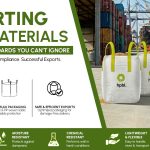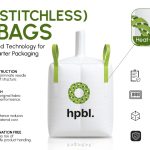



When it comes to handling bulk materials, businesses don’t just need strong packaging-they need something reliable, efficient, and easy to manage. That’s where FIBC bags, also known as jumbo bags, come in.
You’ll find these bags used across industries like construction, agriculture, chemicals, and even food processing. The reason is simple: they can carry large volumes while keeping handling and transportation straightforward.
But not all FIBC bags are the same. They are designed in different ways depending on what you’re storing, how you’re moving it, and the level of safety required. Knowing these types can make a big difference in choosing the right solution.
What Are FIBC Bags and Why Do They Matter
FIBC bags are large, flexible containers made from woven polypropylene. They are built to carry heavy loads, typically between 500 kg and 2000 kg or even more in some cases.
What makes them so popular is their practicality. Instead of dealing with multiple small packages, you can handle bulk quantities in a single bag. This not only saves time but also reduces overall packaging and handling costs.
They are also designed for convenience. Whether it’s lifting with forklifts or stacking in a warehouse, FIBC bags make operations smoother.
Another thing worth noting is sustainability. Many of these bags can be reused or recycled, which makes them a better choice compared to traditional packaging in the long run.
Types of FIBC Bags Based on Bag Construction
The way an FIBC bag is constructed has a direct impact on how it performs. Some are better for heavy loads, while others are designed to hold their shape during storage.
U-panel bags are one of the most commonly used types. They are made using a U-shaped piece of fabric with additional side panels. This design gives them good strength and makes them reliable for carrying heavier materials.
Circular bags, on the other hand, are made from tubular fabric. Since they have fewer seams, they tend to be more durable and less prone to leakage. The trade-off is that they may not always hold a perfectly square shape when filled.
Then there are four-panel bags. These are stitched using four separate panels, which helps them maintain a structured, box-like shape. This makes stacking and storage much easier, especially in warehouses.
Baffle bags take this a step further. They include internal panels that help the bag keep its shape even when fully loaded. This makes them a great choice when you want to maximize storage space, particularly during transportation.
Types of FIBC Bags Based on Fabric and Design
Fabric plays a bigger role than most people expect. The type of material and how it’s woven can affect strength, airflow, and even product quality.
Circular woven fabric is widely used because it offers consistent strength across the bag. It’s a dependable option for most industrial applications.
Flat fabric designs are slightly different. They are made from flat woven sheets and often include reinforced stitching. These are typically used when extra durability is required.
For agricultural products, ventilated bags are a better fit. These allow air to pass through, which helps keep items like onions or potatoes fresh during storage and transport.
There are also specialized fabric options, including mesh or breathable designs. These are useful when moisture control or airflow is critical for maintaining product quality.
Types of FIBC Bags Based on Safety (Type A–D)
In some industries, especially those dealing with fine powders or chemicals, safety becomes a major concern. Static electricity can build up during handling, which can be risky in certain environments.
FIBC bags are classified into four types based on how they handle static:
- Type A bags don’t provide any static protection and are used for non-flammable materials.
- Type B bags offer limited control and are suitable for certain dry, combustible products.
- Type C bags are conductive and need to be grounded during use to prevent static discharge.
- Type D bags are designed to safely dissipate static without grounding, making them suitable for high-risk environments.
Choosing the right type of FIBC bag isn’t optional-it’s essential for safe operations.
Specialized FIBC Bags for Different Applications
Apart from the standard categories, there are also FIBC bags designed for very specific uses.
Food-grade bags are produced under strict quality conditions to ensure there’s no contamination. These are commonly used for grains, sugar, and other consumables.
UN-certified bags are made for transporting hazardous materials. They go through strict testing to meet safety regulations, especially for export.
Some materials need extra protection, which is where liner bags come in. These liners act as a barrier against moisture, dust, or contamination, making them ideal for fine powders and sensitive products.
Ventilated bags, as mentioned earlier, are widely used in agriculture where airflow is important to maintain freshness.
In many cases, businesses also go for customized FIBC bags tailored to their specific needs-whether it’s size, lifting options, or discharge mechanisms.
How to Choose the Right Type of FIBC Bag
There isn’t a one-size-fits-all solution when it comes to FIBC bags. The right choice depends on how and where the bag will be used.
A few practical things to keep in mind:
- The nature of the material (powder, granular, or hazardous)
- The weight the bag needs to carry
- Storage and transportation conditions
- Safety requirements, especially in sensitive environments
- Whether you need additional features like liners or ventilation
Taking the time to evaluate these factors can help avoid issues later and improve overall efficiency.
Conclusion
FIBC bags have become a go-to solution for bulk packaging, and for good reason. They are flexible, efficient, and adaptable to different industries and requirements.
With so many types available, based on construction, fabric, and safety, it’s important to understand what each one offers. The right choice doesn’t just protect your product; it also makes handling, storage, and transportation much easier.
In the end, selecting the right FIBC bag is less about the bag itself and more about how well it fits your specific needs.