


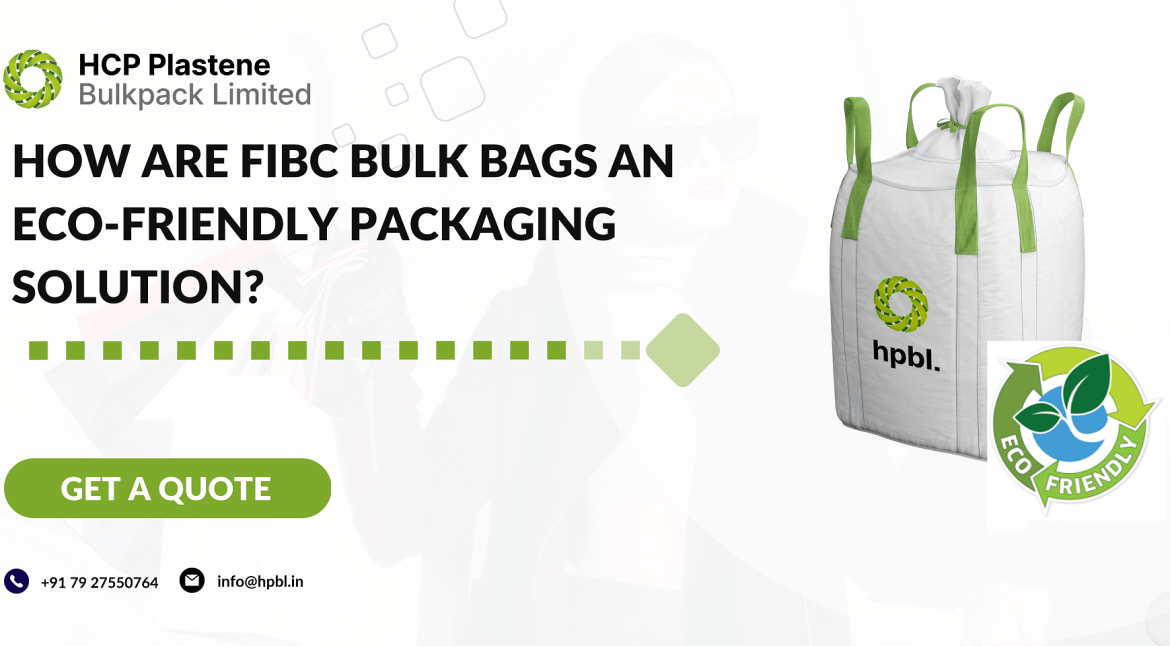
Most of the packaging solutions that exist today are not good for the environment. Consumers across the world are demanding for eco-friendly packaging which is the reason why all the businesses have an intense pressure to shift to sustainable packaging solutions that not only protect the products but also the environment. The bulk bag manufacturers across the world producing FIBC bags have seen a sharp rise in their sales since the last few years because of the shift of the business towards FIBC bags from normal non-eco friendly bags. FIBC bags have become a well-known green packaging option that is frequently used in several industrial industries these days.
Production of FIBC bags
Polypropylene resin is used as the primary component of bulk bags, and it is extruded to produce PP tapes in a range of diameters. When these tapes are woven together, a tough, long-lasting, yet incredibly light fabric is created. When this fabric is stitched together, it creates the FIBCs, whose environmentally friendly properties have revolutionised the bulk packaging industry.
Reusability and Recyclability
FIBC bulk bags that have been specially developed to withstand several uses, depending on their safety factor, which determines whether they are reusable or not. In addition to being resilient and impervious to material stretching or shrinking, bulk bags can withstand weather conditions. By maintaining an appropriate supply of bags for storage and shipping goods, you may significantly cut your expenses by reusing the bags and following the right handling instructions.
Because polypropylene is frequently recycled, it is the most environmentally friendly packaging material available. FIBC bulk bags that are broken or worn out are collected by authorised recycling facilities and processed into recycled bags or other useful items that are completely safe for everyday use.
Flexible and cost effective
When not in use, FIBC bags may be neatly folded and stacked in a little amount of storage space. You just need a little amount of storage space for your items and minimal transportation expenses because these bags are adaptable and made to handle big stuff. These thin bags may transport objects that weigh several times more than their own weight while handling items, which lowers the price of packaging your goods. All of these work together to lower your company’s carbon footprint and total material handling costs.
Guidelines for Reusing and Recycling FIBC Bulk Bags
FIBC bulk bags are designed to be both flexible and sturdy. In certain cases, they are also made to be reused. Standard bags have a safety factor ratio (SFR) rating of 5:1, which implies they can carry 5 times their safe working weight (SWL). Bags with a 5:1 safety ratio are single-use bags. Multiple-purpose bags are created with a greater safety factor ratio of 6:1. The only bags made for numerous uses are those with an SFR of 6:1. After Cleaning, Reconditioning, Reasons for rejecting a FIBC, Tracking and Testing the FIBC bags can be reused according to the mentioned guidelines
The majority of bags are composed of virgin polypropylene, a common material that may be used to make other plastic items. The majority of bags, including those used to hold plastics, chemicals, cereals, fertilisers, pigments, and building materials, are recyclable. The bags are divided into three recycling grades: Grade 1, Grade 2, and Grade 3.
SIBC BAGS
HPBL has launched SIBC or Sustainable Intermediate Bulk container bags that are Made with 30% recycled Polypropylene. Our Research and Development team is putting its resources to develop FIBC bags with 30% recycled polymer and it will give a fillip to sustainability.