


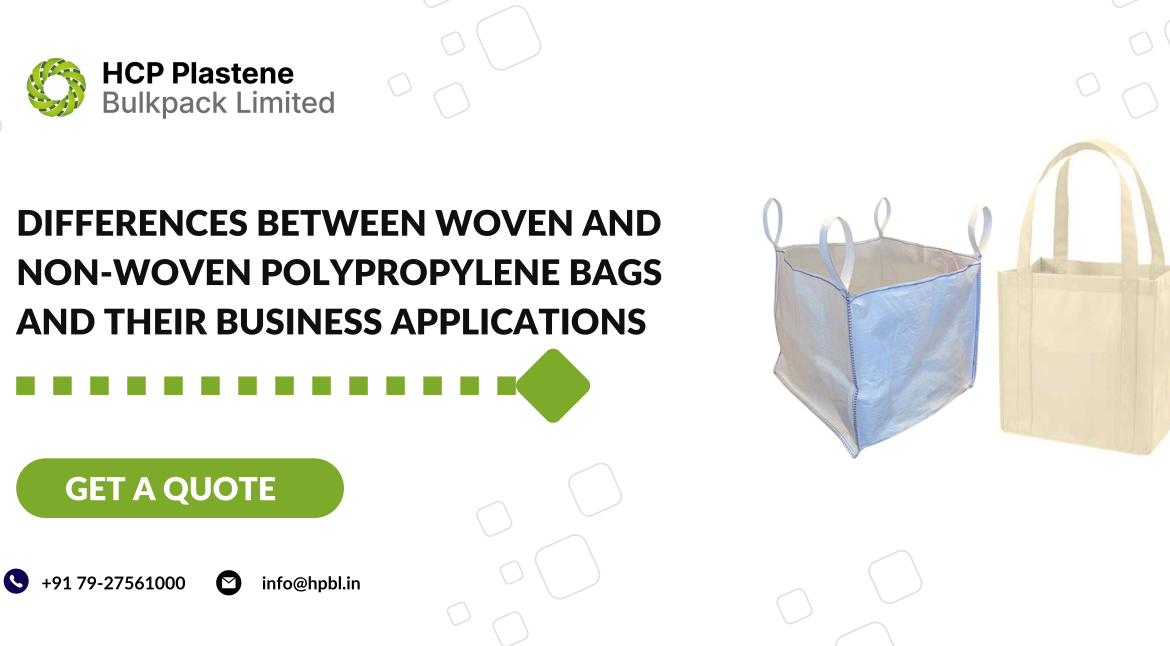
You’ve probably heard of both woven and non-woven polypropylene bags if you’re looking for heavy-duty packaging options. Despite their similar appearances, these two packaging items differ in a number of important ways that make them suitable for certain uses. Woven and non-woven Polypropylene appear very similar at first glance. Although the raw elements can often be the same, there are significant differences in the manufacturing methods that go into creating them. We’ll go into greater detail about each type below in this article so that you understand how a PP woven bags manufacturer in India makes these two bags differently.
Differences Between Woven and Non-Woven Polypropylene Bags
Durability and Strength
Woven polypropylene is especially strong and long-lasting. This plastic polymer’s woven structure prevents tearing and breaking while enabling the material to support heavy loads. Non-woven polypropylene is usually weaker and less able to support especially big weights because it does not have the interlocking structure of woven fabric.
Production Efficiency and Cost
In general, non-woven polypropylene is less expensive than woven material. Non-woven polypropylene may be produced comparatively quickly and with significantly less effort because it needs fewer raw materials. The obvious choice for bags made of non-woven polypropylene is if you want to reduce the cost of packaging.
Environmental Impact
Both woven and non-woven polypropylene bags can be classified as eco-friendly as long as they are made using eco-friendly methods. Also, both kinds of materials are recyclable. Non-woven polypropylene, on the other hand, requires more energy and is more costly to recycle.
Non-woven bags are still environmentally beneficial despite this. While woven bags are typically made from virgin materials, non-woven polypropylene can be made from recyclable materials. Weaved polypropylene’s sustainability credentials are limited by its higher energy consumption during production.
Storage
Non-woven BB is breathable, just like woven PP, which helps prevent moisture and bacterial growth. Because of its relative water resistance, it’s a clear choice for storing perishables, chemicals, and medical supplies, in addition to delicate items.
Applications of Woven Polypropylene Bags
There are countless uses for woven polypropylene bags across a wide range of sectors. They are popular in the construction industry because of their strong design and remarkable load-bearing capabilities, and their robustness and reusability make them an excellent option for trash disposal.
The food processing sector also makes extensive use of them. Their water-resistant qualities help prevent spoiling, and their great tensile strength makes them a clear choice for keeping large quantities of perishables. They are especially helpful for carrying and storing powders and loose grains like rice and flour because of their adaptable design.
The agricultural sector is another one where you frequently see counter-woven polypropylene bags. In addition to being perfect for handling fertilizer and harvested crops, woven bags made by a good PP woven bag manufacturer in Ahmedabad can also be utilized for the storage and transportation of animal feed. Weaved PP bags are perfect for the mining and construction sectors due to their robust design and long-lasting structure. They provide a practical storage option in addition to being perfect for transporting heavy building supplies.
Applications of Non-Woven Polypropylene Bags
Non-woven polypropylene is a popular packaging option in many sectors due to its affordability and relative robustness. Reusable bags, such as shoppers, messengers, and totes, are frequently made from this material. The usage of laminated non-woven PP bags is expanded since they are more water resistant than their conventional equivalents. However, for applications requiring extreme durability and some industries, like the construction sector, they are a less acceptable option than woven bags due to their comparatively low tensile strength.
HPBL’s Expertise in Polypropylene Bags
HPBL, a trusted name in the packaging industry, provides high-quality woven and non-woven polypropylene bags tailored to various business needs. With state-of-the-art manufacturing facilities and a commitment to sustainability, HPBL ensures its products meet industry standards for strength, durability, and environmental compliance. By choosing HPBL, businesses benefit from reliable, cost-effective, and eco-friendly packaging solutions designed to enhance operational efficiency and brand visibility.
Customisation Options for Polypropylene Bags
When it comes to polypropylene bags, one of the major advantages is the flexibility in design and customisation. Businesses across industries can customise woven and non-woven PP bags based on their unique requirements, which not only improves usability but also supports brand recognition.
Customisation features include:
- Size and dimensions tailored to specific load types
- Printing and branding with company logos or product information
- Lamination options for added moisture resistance
- UV treatment for outdoor applications
- Gussets or zippers for user convenience in non-woven bags
For businesses looking to strengthen their packaging identity and enhance shelf appeal, printed non-woven PP bags are particularly popular in retail and promotional sectors.
Comparing Lifespan and Reusability
Woven PP bags are widely regarded for their long lifespan and reusability. They can be used multiple times before showing signs of wear, making them an excellent choice for businesses seeking durable and reusable packaging. They are especially effective in harsh or heavy-duty environments where multiple handling cycles are expected.
On the other hand, non-woven PP bags are designed primarily for lighter, short-term use. While many are reused several times, they’re more prone to wear and tear, particularly when exposed to heavy loads or rough handling. However, laminated non-woven bags offer enhanced durability and water resistance, extending their functional life.
Sustainability and Recycling Initiatives
As sustainability becomes a central focus in packaging, both woven and non-woven polypropylene bags offer eco-friendly benefits. HPBL takes additional steps to minimise the environmental footprint of its packaging solutions.
HPBL’s sustainability initiatives include:
- Use of recyclable materials wherever possible
- Incorporation of recycled content in non-woven bags
- Energy-efficient manufacturing processes
- Encouraging reuse and return programs with clients
- Offering biodegradable liners upon request
Although woven bags are made from virgin PP in many cases, their longer usable life offsets the carbon impact compared to single-use alternatives. Meanwhile, non-woven PP bags’ lightweight design helps reduce transportation emissions.
Final Thoughts
Choosing between woven and non-woven polypropylene bags depends on your product type, durability requirements, and budget considerations. While woven PP bags are ideal for industrial-strength packaging, non-woven bags offer flexibility and cost-efficiency for retail and promotional purposes.
With HPBL’s expertise and customised offerings, businesses can confidently select the perfect packaging solution tailored to their needs—without compromising on quality, safety, or environmental responsibility.